Globacom and the quiet framework of Nigeria’s national economic renewal
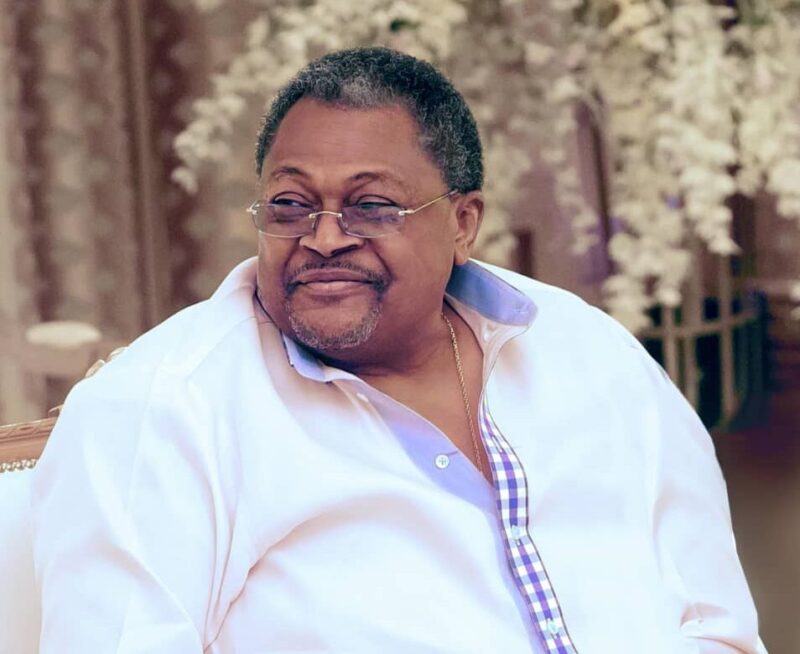
Dr Mike Adenuga, Chairman of Globacom
Report by Louis Ibe (a Public Relations Expert, and Reputation Management Specialist)
National economic renewal is rarely engineered in the open glare of proclamations or the immediacy of fiscal decrees. More often, it is shaped patiently, almost imperceptibly, by enterprises whose investments translate policy intent into lived structure. In Nigeria’s current season of reform under President Bola Ahmed Tinubu, the philosophy and footprint of Dr Mike Adenuga Jr. and the Globacom Group have emerged as part of this quiet framework—measured in tone, yet foundational in consequence.
Across telecommunications, oil and gas, banking and social investment, the Adenuga enterprise exemplifies a disciplined form of capitalism—impactful without exhibitionism, expansive without noise. It is a deliberate oxymoron: omnipresent, yet unostentatious. At a moment when Nigeria seeks macroeconomic stability, restored investor confidence and productivity-led growth, Globacom’s long-standing commitment to infrastructure, innovation and inclusion mirrors the deeper logic of the national reform agenda.
In the digital sphere, Globacom functions as both artery and accelerator of modern Nigerian life. Its vast network dissolves geography, allowing commerce, education and creativity to flow seamlessly from dense urban centres to remote communities. Strategic collaborations with state governments, notably in Imo and Enugu, demonstrate how private capital can quietly complete public ambition—transforming access into agency and connectivity into competence. When a senior executive describes connectivity as the bloodstream of modern economies, the metaphor rings true in the daily anecdotes of traders accessing markets, students learning beyond classrooms and entrepreneurs scaling ideas beyond postcode limits.
Yet fibre optics and signal towers tell only part of the story. The Adenuga footprint extends into the industrial sinews of the economy. The landmark 2025 production agreement between Conoil Producing Limited and TotalEnergies, signed in Paris, was more than a commercial transaction; it was a symbolic reaffirmation of confidence in Nigeria’s upstream oil and gas sector. Through a carefully structured asset swap and forward-looking appraisal plans tied to the Egina FPSO, indigenous capital once again asserted its role in energy security, revenue stability and long-term national resilience. Coming shortly after the export of the new “Obodo blend” crude, the deal embodied a quiet paradox: a mature sector renewing itself without fanfare.
Employment and human capital development form another enduring strand of this contribution. Across Globacom and its sister enterprises, thousands of Nigerians are employed through merit-driven, multicultural recruitment that places competence above creed. In a country grappling with unemployment and skills mismatches, this approach offers more than livelihoods; it offers a stabilising narrative—an anecdotal counterweight to uncertainty, where opportunity is scaled through fairness and performance.
Culture, too, is woven into this economic fabric. Through sustained support for festivals such as Ojude Oba and Ofala, Globacom allows heritage and commerce to coexist rather than collide. These celebrations, elevated to national prominence, stimulate tourism, hospitality and local trade, converting memory into monetary value. Like an Elizabethan masque, tradition and modernity share the same illuminated stage, each lending relevance to the other.
Corporate citizenship is expressed with similar restraint. Through the Glo Foundation and the Mike Adenuga Foundation, support reaches the elderly, the disabled and other vulnerable groups without spectacle, complementing government welfare efforts and softening the social edges of reform. Even Globacom’s consumer promotions and youth-focused initiatives play a subtle economic role, redistributing value and sustaining optimism across Nigeria’s vast population.
Ultimately, while government sets the compass of national renewal, enterprise lays the road. In the steady investments of Globacom and the wider Adenuga enterprise lies a broader Nigerian lesson: that sustainable economic transformation is often achieved not through noise, but through patient capital, disciplined vision and partnerships that quietly bind aspiration to reality.