

I was paid N100,000 to bomb worshippers in Maiduguri — captured Boko Haram bomber
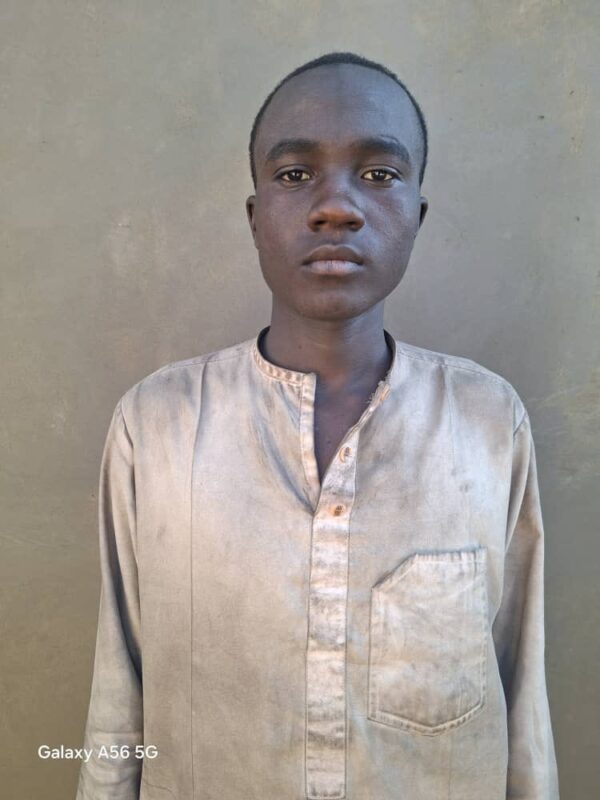
Abdullateef Fowewe
A suspected Boko Haram suicide bomber arrested in Yobe State has confessed to planting explosives in a Maiduguri mosque for a fee of up to N100,000 per mission, revealing a chilling plot to target worshippers during prayers.
Ibrahim Mohammed, from Michika in Adamawa State, was captured on December 29 by local hunters alongside troops of Operation Hadin Kai during a raid on a suspected hideout in Damaturu.
According to Zagazola Makama’s report, during interrogation, he admitted involvement in the December 24 suicide bombing at Gamboru Market Mosque, which killed five people and injured 32 others amid festive chaos in Maiduguri.
Explaining the attack, Ibrahim detailed how the terror cell exploited empty mosques.
“We came after Zuhur and Asr prayers when the mosque was empty. We entered pretending to pray. My colleague was digging to plant the IED in the middle of the mosque while I was digging by the side,” he said.
The devices, prepared by commanders Adamu and Abubakar, were timed to detonate during Maghrib prayers.
“As Muslim faithful gathered to pray Maghrib, after the first raka’at, we detonated the bomb. We set the timing for five minutes. Shortly after, I ran to the market area,” Ibrahim confessed.
In a brazen twist, he returned to the scene posing as a helper.
“When I returned to the mosque, they were evacuating dead bodies. I helped them to convey the corpses and injured people in emergency vehicles,” he revealed, underscoring the group’s infiltration tactics.
Ibrahim described suicide missions as lucrative assignments funded by Boko Haram’s JAS faction, operating from the Mandara Mountains and Ali Ngulde camp.
“I was paid money ranging from N70,000 to N100,000 per mission,” he admitted.
He expressed remorse only after seeing the carnage, “I regret my action for killing innocent people who did not commit any crime.”
Security sources link Ibrahim to a broader cell, including IED expert Munzir Abu Ziyadah, plotting up to 10 person-borne attacks across the Northeast.
After Gamboru, Ibrahim scouted military positions in Yobe and revealed additional bombers targeting Damaturu mosques and markets.
He had ditched his suicide vest near Maiduguri’s new Izala Mosque due to security checks, prompting an urgent sweep by troops and police EOD teams—though no device was found, raising fears it was picked up innocently.
Izala mosques were prime targets, per intelligence.
Troops across the Northeast are now on high alert, bolstering protection for worship sites, markets, and soft targets amid threats from JAS, Ansaru, and JNIM affiliates.
Ibrahim’s confession exposes Boko Haram’s recruitment, payments for bombings, and coordinated assaults, highlighting the urgent need for intelligence operations and community watchfulness.