NMDPRA chief, Farouk denies issuing statement on Dangote’s allegations, backs formal probe
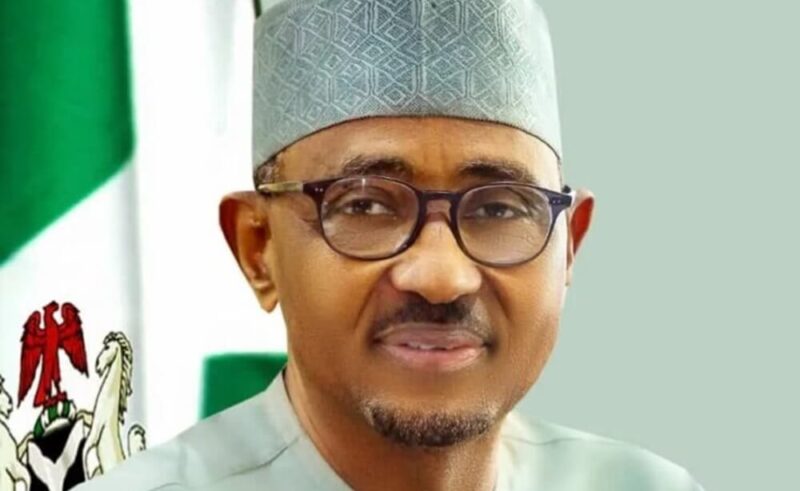
Chief Executive of the Nigerian Midstream and Downstream Petroleum Regulatory Authority (NMDPRA), Farouk Ahmed
Abdullateef Fowewe
The Authority Chief Executive of the Nigerian Midstream and Downstream Petroleum Regulatory Authority (NMDPRA), Farouk Ahmed, has distanced himself from a “purported response” circulating in the media over recent corruption allegations linked to his family’s finances.
In a press release on Wednesday, Ahmed said, “My attention has been drawn to a purported response I was said to have made on the recent allegations against my person. I hereby state categorically that the so-called statement did not emanate from me.”
He acknowledged awareness of the “wild and spurious allegations made against me and my family and the frenzy it has generated,” but stressed that, “as a regulator of a sensitive industry, I have opted not to engage in public brickbat.”
Ahmed noted that the accuser has now taken the matter before an investigative body, a development he welcomed.
“Thankfully, the person behind the allegations has taken it to a formal investigative institution. I believe that would provide an opportunity to dispassionately distill the issues and to clear my name,” he said.
Dailyeconomy had earlier reported that Africa’s richest man and President/Chief Executive of the Dangote Group, Aliko Dangote, had launched a blistering criticism of Ahmed, accusing him of using public funds to finance a lavish education for his four children at elite Swiss secondary schools, reportedly costing about 5 million dollars.
Dangote, in comments that underscored the gap between public officials and ordinary Nigerians, contrasted the alleged spending with his own choices.
“I’ve had people actually making complaints about a regulator who has put his children in secondary school. And that secondary school education—which is six years for four of them—costs five million dollars,” Dangote was quoted as saying, questioning how such a bill could be met on a government salary.
He added, “I mean, you can always imagine somebody paying five million for educating even my own children; they didn’t go through those,” stressing that his children attended secondary schools in Nigeria rather than expensive foreign institutions.