Video: Europe ‘drifting’ toward China as Macron courts Chinese investment after Trump tariff shock
Abdullateef Fowewe
France President Emmanuel Macron has thrown open the door to Chinese capital in Europe just days after Donald Trump slapped steep new tariffs on European Union imports, sharpening fears that Washington’s “America First” doctrine is driving traditional allies closer to Beijing.
@dailyeconomy8 Video: Europe ‘drifting’ toward China as Macron courts Chinese investment after Trump tariff shock France President Emmanuel Macron has thrown open the door to Chinese capital in Europe just days after Donald Trump slapped steep new tariffs on European Union imports, sharpening fears that Washington’s “America First” doctrine is driving traditional allies closer to Beijing. Speaking at the World Economic Forum in Davos, the French president said “China is welcome,” but stressed that Europe now needs “more Chinese foreign investment in Europe in some key sectors to contribute to our growth, to transfer some technologies, and not just to export towards Europe some devices or products.” He warned that these products “sometimes don’t have the same standards or are much more subsidised as the ones being produced” in Europe, underscoring his preference for direct investment over subsidized imports. Macron’s remarks came just two days after Trump announced new tariffs of between 10% and 25% on a range of EU goods, including products from France, effective February 1.
Video: Europe ‘drifting’ toward China as Macron courts Chinese investment after Trump tariff shock
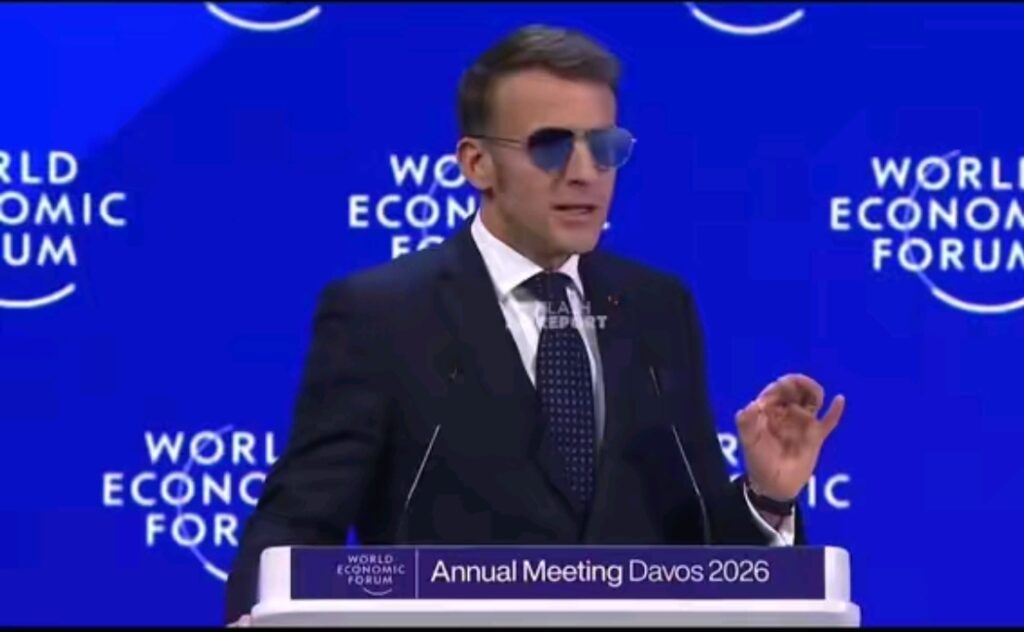
Speaking at the World Economic Forum in Davos, the French president said “China is welcome,” but stressed that Europe now needs “more Chinese foreign investment in Europe in some key sectors to contribute to our growth, to transfer some technologies, and not just to export towards Europe some devices or products.”
He warned that these products “sometimes don’t have the same standards or are much more subsidised as the ones being produced” in Europe, underscoring his preference for direct investment over subsidized imports.
Macron’s remarks came just two days after Trump announced new tariffs of between 10% and 25% on a range of EU goods, including products from France, effective February 1.
The move, tied to a dispute over Washington’s stalled bid to acquire Greenland, has been read in many European capitals as another sign that the transatlantic relationship is becoming more transactional and less predictable.
Critics of Trump’s approach say this is precisely what “America First” looks like in practice: “America isolated. Europe drifting. China cashing in.”
They argue that by weaponizing tariffs against allies, Washington is effectively pushing Europe to hedge its bets by seeking deeper energy, trade, and investment ties with China.
However, online reaction to Macron’s Davos pitch has been sharply divided. Some commentators insist Europe’s problems are “self‑inflicted,” pointing to long‑running debates over high public spending, rigid labor markets, and migration policy.
Others counter that Trump’s tariff offensives and erratic diplomacy are eroding trust, accelerating a European pivot toward Beijing as a strategic and economic counterweight.