Video: Trump sends wave of US firepower to Middle East as Iran crackdown deepens
Abdullateef Fowewe
The United States is rushing warplanes, air defenses and a carrier strike group to the Middle East, dramatically escalating its military posture around Iran even as President Donald Trump has not yet ordered strikes.
F-15E Strike Eagle fighters have arrived in Jordan, according to US officials, while roughly 10 aerial refueling tankers have left the United States, with several bound for Qatar and others positioning in Europe to support regional operations.
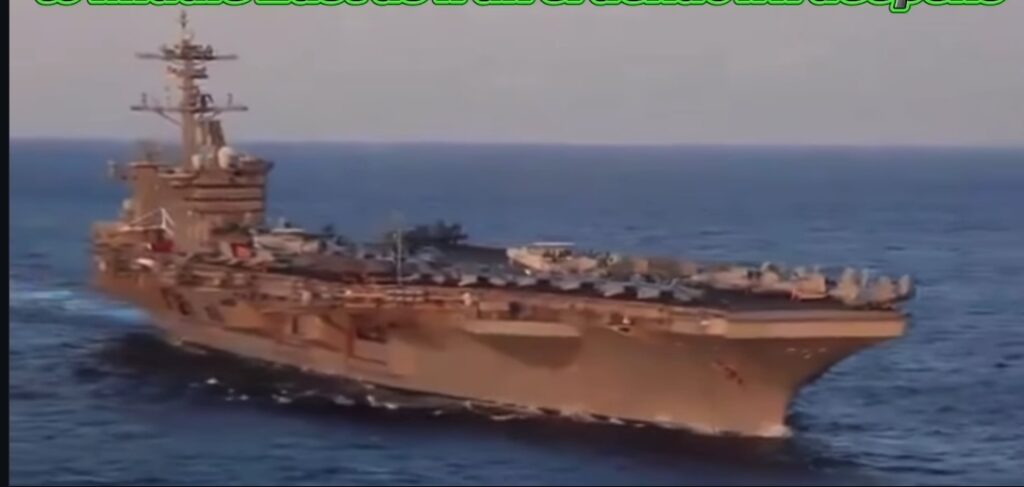
At sea, the USS Abraham Lincoln carrier strike group is redeploying from the South China Sea toward the Persian Gulf, bringing dozens of combat aircraft and escort warships closer to Iranian shores.
In parallel, U.S. air and missile defenses are being reinforced with additional Patriot and THAAD systems, expanding the Pentagon’s ability to protect American forces and bases from potential Iranian missile or drone attacks. The moves form a layered buildup designed to give Trump multiple military options at short notice, from limited airstrikes to wider campaigns, while signaling Tehran that Washington is prepared to act.
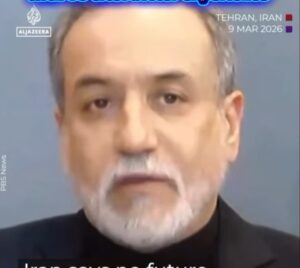
The surge comes after Iran’s security forces launched a brutal crackdown on nationwide protests that erupted late last year, with thousands reported killed and more than 10,000 arrested amid internet blackouts and mass detentions. Trump, who last week pulled back from immediate strikes after Iran offered assurances it would halt the killings, has continued to demand what aides describe as “decisive” plans that could severely weaken or even topple the regime.
Despite the influx of hardware, senior advisers and military planners remain divided over what U.S. airpower alone can achieve. Many doubt that strikes on command centers, security force bases and critical infrastructure would be sufficient to bring down the government in Tehran, warning instead of a high risk of escalation into a broader, open-ended conflict across the region.
From Iran’s perspective, the U.S. deployments are seen as aggressive posturing.
Officials in Tehran have threatened severe retaliation if attacked, including missile and drone strikes on U.S. bases in Qatar, Saudi Arabia, the United Arab Emirates and Turkey, as well as potential actions against Israel. Iranian leaders have also hinted at possible pre-emptive measures if they judge a U.S. strike to be imminent.
The standoff has turned the Gulf into a high-stakes arena of deterrence and brinkmanship.
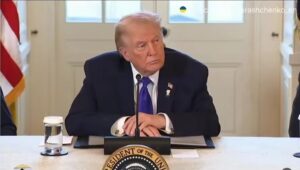
Trump, keeping what one official called “his cards on the table,” is publicly insisting he prefers not to go to war, while quietly amassing the means to launch rapid operations. Iran, watching the growing concentration of U.S. forces on its periphery, is vowing to absorb pressure and hit back hard if Washington crosses the line into direct military action.