
‘Let our democracy survive,’ NASFAT cautions Nigerian political leaders ahead of 2027 elections
Abdullateef Fowewe
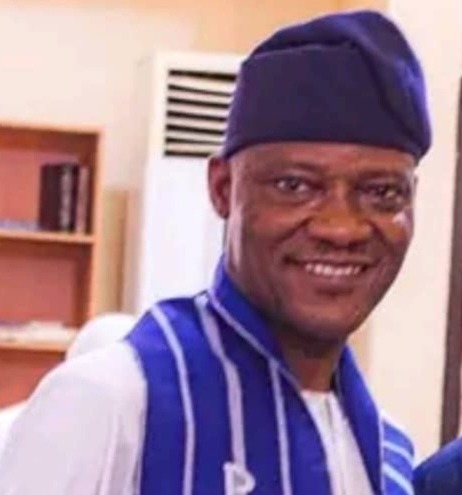
The President of the Nasrul-Lahi-L-Fatih Society (NASFAT), Ayodeji AbdulWahid AbdulRauf, has warned Nigerian political leaders to protect democratic institutions as the country prepares for the 2027 general elections, saying that democracy must not be allowed to “degenerate” under political pressure.
In a statement on Thursday, AbdulRauf said sustaining democracy in a developing nation requires “democratic resilience—the capacity of a political system to absorb internal polarization, economic stressors, and institutional erosion without degenerating into autocracy.”
He cautioned that modern democratic breakdowns often occur not through sudden military coups, but through elected leaders who use legal and administrative tools to weaken checks and balances.
“Today, they are primarily hollowed out from within by democratically elected populists using legal maneuvers to slowly dismantle checks and balances,” he said.
The NASFAT President urged political leaders to respect the independence of the judiciary, the neutrality of the civil service, and the oversight role of the legislature.
“Our leaders must be conscious of this to save the democracy,” he said, warning against courts being “packed with loyalists” and the state apparatus being “weaponised.”
He also called on the National Assembly, state assemblies, and local government councils to perform their constitutional duties rather than become “a rubber-stamp body due to extreme party loyalty or executive decrees.”
AbdulRauf said lawmakers must use “hearings, funding control, and investigations to hold leaders accountable.”
The religious leader linked democratic stability to economic security, arguing that poverty, inequality, and economic shocks can weaken citizens’ confidence in democratic institutions.
“Material prosperity is the strongest historical predictor of democratic survival.
“When a developing nation suffers structural inequality, stagnating wages, or severe economic shocks, citizens lose faith in democratic institutions,” he said.
He warned that such conditions could make people vulnerable to “populist demagogues where citizens and residents can’t breathe again.”
AbdulRauf also stressed the need for reliable public information, independent journalism, and protection of freedom of expression.
“Democracy relies on a shared baseline of truth.
“Without access to reliable information, voters cannot effectively hold decision-makers to account,” he added.
The NASFAT President called on the Independent National Electoral Commission (INEC) and other democratic institutions to uphold democratic norms, including mutual toleration and restraint.
“The most vital norm is mutual toleration—treating political opponents as legitimate competitors rather than existential enemies,” he said.
“The second is forbearance—the conscious decision by leaders not to maximize their legal power to completely crush their opposition.”
He urged citizens, faith-based organisations, civil society groups, legal defence bodies, and local watchdogs to remain active in public life and bridge ethnic and religious divides.
“Surviving democracy requires more than just high voter turnout,” AbdulRauf said.
He added that civic education should teach Nigerians how government works, how to recognise manipulation and radicalisation, and why democratic processes matter.
“Nigeria must not tow the path of degradation,” he appealed.
The OECD’s Reinforcing Democracy Initiative similarly identifies misinformation, political polarisation, declining trust, and weakening public institutions as major pressures on democratic governance worldwide.
AbdulRauf’s warning comes as NASFAT has repeatedly urged Nigerians to reject political apathy and participate peacefully in elections.