

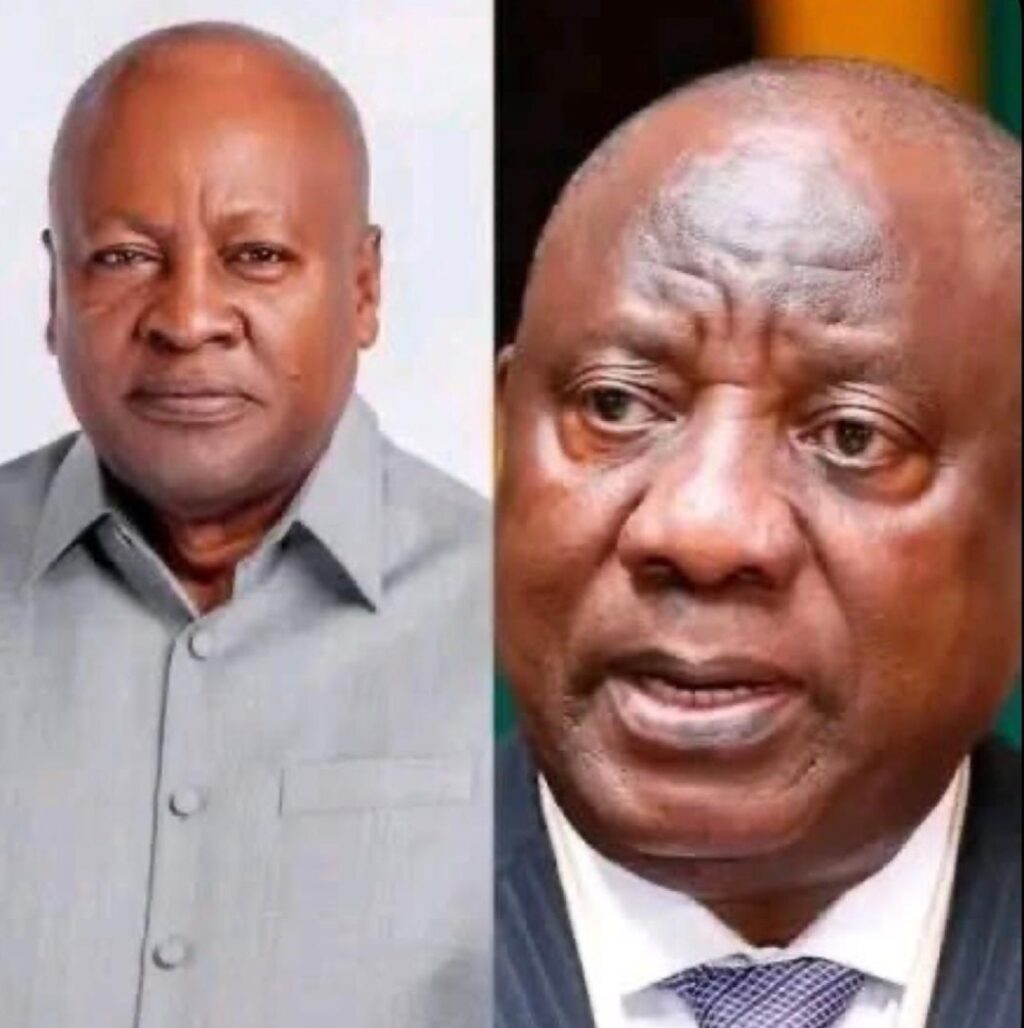
Ghana cancels Ramaphosa visit after killing of Ghanaian designer amid anti‑migrant unrest in South Africa
Abdullateef Fowewe
Ghana has cancelled a planned state visit by South African President, Cyril Ramaphosa and demanded a full investigation after the killing of 40‑year‑old Ghanaian tailor Bashir (Bashiru) Isak in Cape Town.
Isak, who lived in South Africa for about two decades and worked as a fashion designer, was shot in Khayelitsha township on or around June 30.
Ghanaian authorities say the killing occurred in the context of recent anti‑migrant demonstrations in parts of South Africa, where protesters have blamed foreign nationals for taking jobs and targeted foreign‑owned businesses.
Ghana links the death directly to those disturbances.
Ghana demanded a transparent probe into Isak’s death, repatriated his body, and raised the matter with the African Union, according to statements shared by Ghanaian sources, Africafactszone.
The cancellation of Ramaphosa’s visit described by Ghanaian officials as a diplomatic signal was announced amid public anger and calls for accountability.
The South African government has disputed the framing that Isak’s killing was part of the main anti‑migrant protests, noting that the shooting may have been linked to an extortion or robbery incident that occurred a day before the larger marches.
Johannesburg and Cape Town police have said many of the demonstrations were peaceful and emphasised ongoing criminal investigations into violent episodes.
President Ramaphosa has acknowledged migration pressures, urged peaceful protest, warned against vigilantism, and said legal deportation processes must be respected.
Troops were reportedly deployed in some areas to restore order.
The episode underscores a recurring pattern of xenophobic violence and anti‑migrant tensions in South Africa, with major flare‑ups in 2008, 2015 and other years, during which foreign‑owned shops and communities have been attacked. Ghana’s decision to cancel a head‑of‑state visit is an unusually robust diplomatic response that signals heightening regional concern over the safety of migrants and the treatment of African nationals abroad.
Nigeria’s muted response to similar incidents involving Nigerian victims has drawn attention and criticism.
Despite long‑standing reports of attacks, forced deportations and business disputes affecting Nigerians in South Africa, Abuja’s actions have often been limited to expressions of concern, pledges of engagement and calls for dialogue.
The Ghanaian government has said it will press for a credible investigation and follow up the matter at regional fora.