

Man jailed for 15 years after detonating homemade explosive on London ULEZ camera
Abdullateef Fowewe
A 63-year-old man has been sentenced to 15 years in prison after using a homemade explosive device to destroy an Ultra Low Emission Zone (ULEZ) camera in south-east London.
Kevin Rees, a retired electrical engineer from Sidcup, was sentenced at the Old Bailey on 2 October 2026.
The judge ruled that the offence carried a “terrorism connection,” resulting in a tougher sentence.
He will also serve an additional year on licence. Concurrent three-year sentences were imposed for three counts of possessing prohibited weapons (homemade stun guns).
The incident occurred on 6 December 2023 in Willersley Avenue, Sidcup.
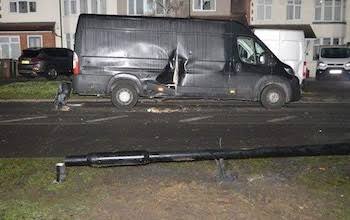
Rees placed a metal cylinder filled with explosive powder next to a newly installed ULEZ camera, lit a fuse and left the scene.
The blast damaged vehicles and properties up to 100 metres away, including the window frame of a child’s bedroom. No one was injured.
The camera itself had already been cut down earlier that day in an unrelated incident by another person, who was separately convicted.
Rees was identified through CCTV footage and social media activity.
He was a vocal critic of the ULEZ scheme and had posted content opposing the cameras and celebrating their damage.
Counter-terrorism police investigated the case. When officers searched his home they found chemicals linked to explosives and the three stun guns.
He was convicted in January 2026 at Woolwich Crown Court of causing an explosion likely to endanger life or cause serious damage to property.
London’s Ultra Low Emission Zone charges drivers of vehicles that do not meet strict emissions standards for entering the zone.
The scheme, expanded under Mayor Sadiq Khan, aims to improve air quality but has faced significant opposition, particularly in outer London boroughs.
Critics argue it places financial burdens on motorists, especially those with older vehicles, and has led to widespread protests.
ULEZ cameras have been frequent targets of vandalism since the expansion. Many have been damaged, cut down or otherwise disabled by opponents of the scheme.
While most incidents involved cutting or painting cameras, Rees’s use of an explosive device marked a more serious escalation and triggered a counter-terrorism investigation.
Police and prosecutors emphasised that the act was not treated as ordinary vandalism because of the danger posed to the public and its political motivation.
The case highlights ongoing tensions around the ULEZ policy, which continues to divide public opinion in London between those who support cleaner air measures and those who view the charges and enforcement as excessive.