National grid plunges Nigeria into darkness for first time in 2026
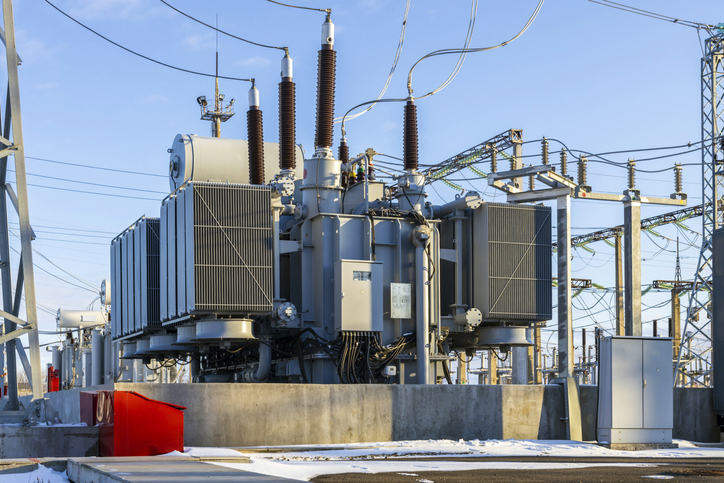
Power grid
Abdullateef Fowewe
Nigeria’s national grid has collapsed for the first time this year on Friday, leaving millions in darkness.
According to data from the Nigerian Independent System Operator (NISO), power generation plummeted to a complete zero megawatts (MW) as of 1 p.m. Load allocation to all 11 electricity distribution companies (DisCos)—including Benin, Eko, Enugu, Ikeja, Jos, Kaduna, Kano, Port Harcourt, Ibadan, Abuja, and Yola—also dropped to zero MW, NISO data confirmed.
This incident marks the first grid failure of 2026, following a troubled 2025 riddled with multiple collapses, the last on December 29.
“The repeated system failures have occurred despite upgrades designed to increase grid capacity,” experts note, highlighting persistent vulnerabilities.
The Niger Delta Power Holding Company (NDPHC) had recently boasted of adding “an additional 450 MW of generation capacity to the national grid” after completing maintenance on the Geregu National Integration Power Project (NIPP) plant. Yet, these efforts failed to prevent the latest blackout.
Adding to the frustration, NISO announced on November 9, 2025, a partnership with the West African Power Pool Information and Coordination Centre (WAPP-ICC) “to conduct a synchronisation test between Nigeria’s power grid and the wider West African power network”—a step that now seems urgently needed amid recurring instability.