
NCDC assesses Abuja hospital readiness amid Ebola response
Abdullateef Fowewe
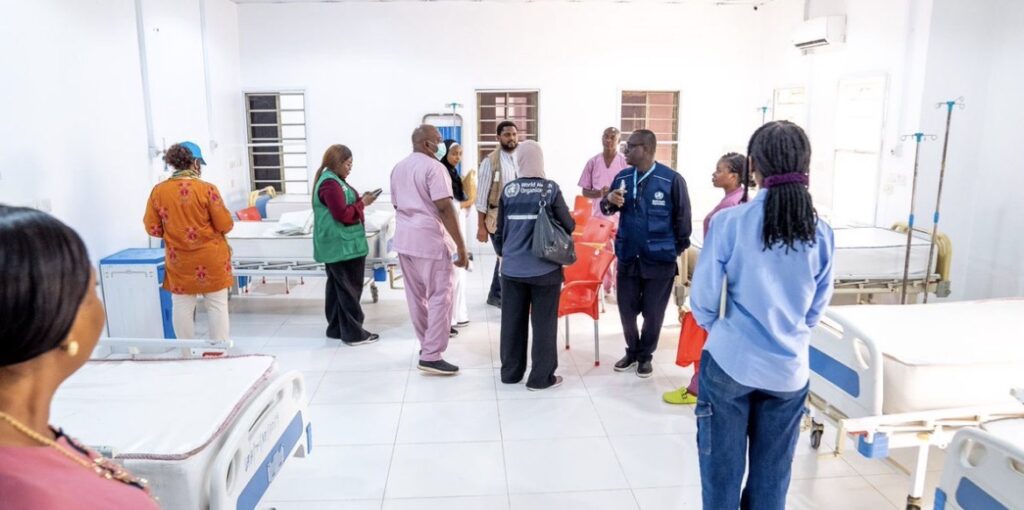
The Nigeria Centre for Disease Control and Prevention (NCDC) has conducted a post-corrective action visit to the University of Abuja Teaching Hospital to evaluate its capacity to manage suspected or confirmed Ebola cases.
In a statement shared on X on Wednesday, the agency said the visit focused on “the functionality of the treatment centre, case management capacity, and the adequacy of existing structures to support effective case management and response in the event of additional suspected or confirmed cases in Nigeria.”
Key partners including the World Health Organisation (WHO), UNICEF, Africa CDC and a focal person from IRUA Specialist Hospital joined the engagement.
The NCDC described the collaboration as highlighting “the importance of collaboration in strengthening national preparedness and response capacity.”
The agency added that it continues to work with healthcare facilities and partners “to strengthen preparedness, ensure response structures are functional, and support a coordinated response to potential Ebola cases.”
Nigeria confirmed its first imported case of Ebola virus disease (Bundibugyo species) on 20 October 2026 in the Federal Capital Territory — the country’s first case in 12 years.
The patient had travel links connected to the ongoing outbreak in the Democratic Republic of Congo, which has recorded more than 10,000 cases and nearly 5,000 deaths since May 2026, with limited spread reported in other countries including Kenya.
Authorities activated a national Incident Management System and have been tracking contacts while assessing isolation facilities.
A ₦10 billion preparedness fund approved earlier in the year is being used to support surveillance, personal protective equipment, laboratory reagents and broader outbreak response, including for other diseases such as Lassa fever.
The University of Abuja Teaching Hospital has been designated as a key isolation and treatment centre, with earlier needs assessments and optimisation already carried out as part of the national response.