
Nigeria’s reforms can transform Africa, says Finance Minister
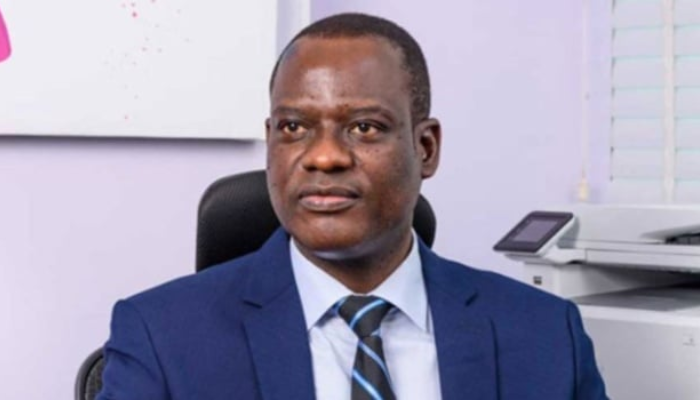
Minister of Finance and Coordinating Minister of the Economy Federal Republic of Nigeria, Taiwo Oyedele
Abdullateef Fowewe
Nigeria’s Minister of Finance and Coordinating Minister of the Economy, Taiwo Oyedele, has said the country’s ongoing economic reforms offer valuable lessons for African nations seeking sustainable growth, stronger regional trade and improved living standards.
Speaking on Wednesday at the Africa’s Golden Future Forum in Bangkok, Thailand, Oyedele pointed to the removal of the fuel subsidy, exchange-rate liberalisation and tax reform as the pillars of Nigeria’s programme.
According to a statement released on Thursdayby the Ministry of Finance, Oyedele stressed that sequencing was critical “removing the subsidy before liberalising the exchange rate helped manage the impact of rising costs,” while consistent communication, strong institutions and policy consistency helped sustain public confidence through the transition.
The reforms, he said, “are laying the foundation for inclusive growth and job creation,” but African countries must also tackle structural barriers that limit trade and investment across the continent.
He called for the removal of trade barriers, improved infrastructure and deeper regional integration to unlock the potential of the African Continental Free Trade Area (AfCFTA).
Nigeria, he added, is developing an economic policy framework to better align trade, fiscal and monetary policies and is rolling out a National Single Window to simplify border procedures.
Oyedele also highlighted measures to protect vulnerable citizens.
Nigeria’s cash transfer programme has reached more than 10 million households, while education support has benefited over 1.5 million students.
African Development Bank President Sidi Ould Tah, who also spoke at the forum, urged governments to turn policy commitments into tangible results.
He noted that intra-African trade remains at about 15 percent of the continent’s total trade, compared with 40–60 percent in other regions, and pointed to infrastructure, electricity access (including the Mission 300 initiative) and regional financing mechanisms as priorities.
The reforms form a central part of the economic agenda launched by President Bola Tinubu’s administration after it took office in 2023.
The removal of the long-standing fuel subsidy and the unification of the multiple foreign-exchange rates were designed to end fiscal drains, curb arbitrage and distortions in the FX market, and create a more transparent policy environment.
Government figures released in recent months show the subsidy removal generated an estimated ₦15.8 trillion in additional resources for the federation between June 2023 and December 2025.
Capital importation and foreign direct investment have risen significantly, the official-parallel market exchange-rate premium has narrowed sharply, and foreign reserves have strengthened.
At the same time, the adjustments led to higher fuel prices, elevated inflation and increased living costs, prompting the expansion of social protection programmes.
The Africa’s Golden Future Forum took place on the sidelines of the World Bank and IMF meetings in Bangkok, bringing together African policymakers to discuss structural reforms and deeper trade integration.