
Sowore accuses Tinubu of favouring billionaires through fuel subsidy removal
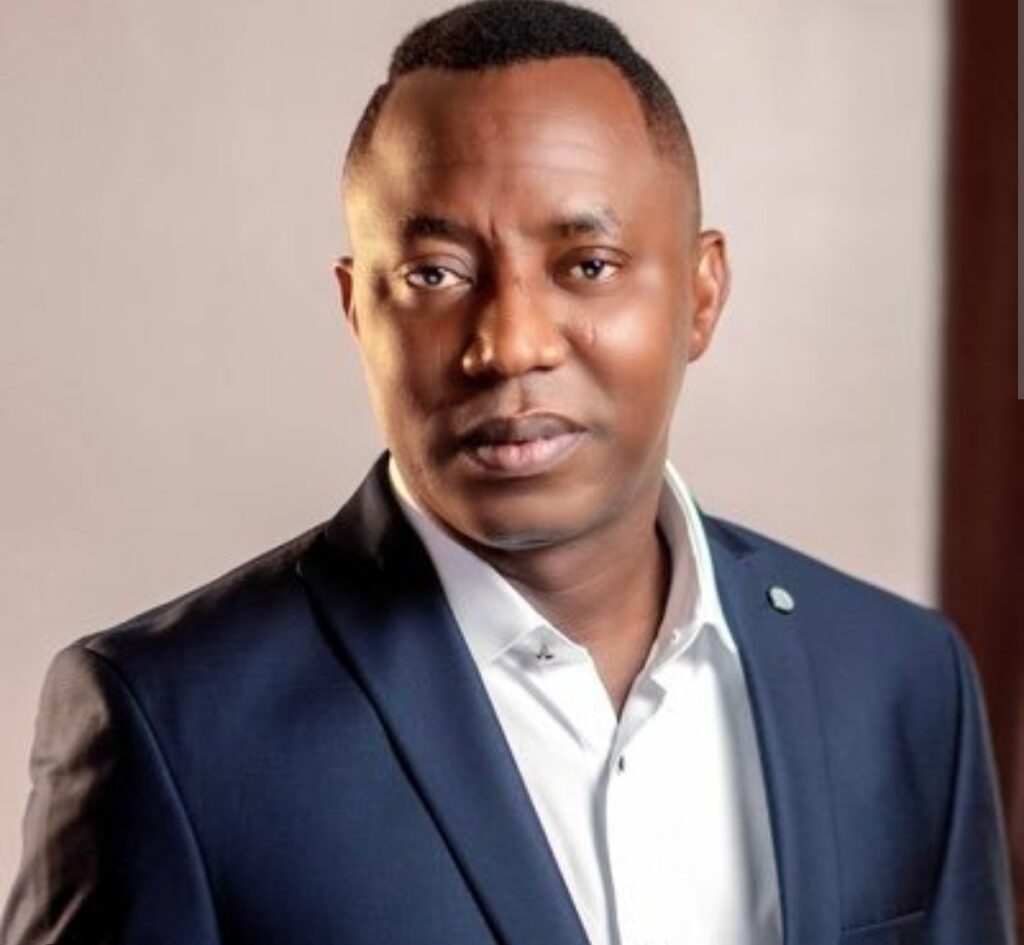
Omoyele Sowore
Abdullateef Fowewe
The presidential candidate of the African Action Congress (AAC) in the 2027 election, Omoyele Sowore, has criticised President Bola Tinubu’s removal of the petrol subsidy, alleging that the policy has benefited wealthy Nigerians at the expense of ordinary citizens.
Sowore made the remarks in reaction to the businessman Aliko Dangote thanked Tinubu for removing the subsidy and implementing foreign exchange reforms.
In a post on X, Sowore accused the President of designing the policy to enrich Dangote and other business allies while millions of Nigerians struggle with rising fuel prices.
“Of course, Tinubu did it so that you, Aliko Dangote, and your friends could get richer while millions of Nigerians became poorer,” he wrote.
He described the Tinubu administration as a “PADI PADI GOVERNMENT”—which he defined as “a government of friends, by friends, and for friends.”
Sowore also alleged that Dangote’s refinery benefited from substantial government support, while ordinary Nigerians were forced to bear the impact of higher petrol prices after the subsidy was removed.
The AAC candidate questioned the government’s characterisation of fuel subsidy as wasteful, arguing that similar benefits enjoyed by wealthy individuals and businesses should also be recognised as subsidies.
“They tell Nigerians that subsidy is evil, but what do they call tax concessions and waivers for billionaires? SUBSIDY,” Sowore asked.
He further cited preferential foreign exchange arrangements, discounted access to public land and infrastructure, and other incentives for large businesses as examples of what he called “subsidy” for the wealthy.
“Apparently, subsidy only becomes a dirty word when POOR NIGERIANS are the beneficiaries,” he added.
Sowore promised that his proposed 2027 administration would restore fuel subsidies transparently and accountably, saying the policy would ensure that Nigeria’s petroleum wealth serves the wider population.
“We reject this economic apartheid. Nigeria’s wealth must work for the Nigerian people, not just a privileged circle of billionaires and their friends in government,” he said.