
Video: Era of U.S. unilateral demands over, Hormuz stays shut — Iran
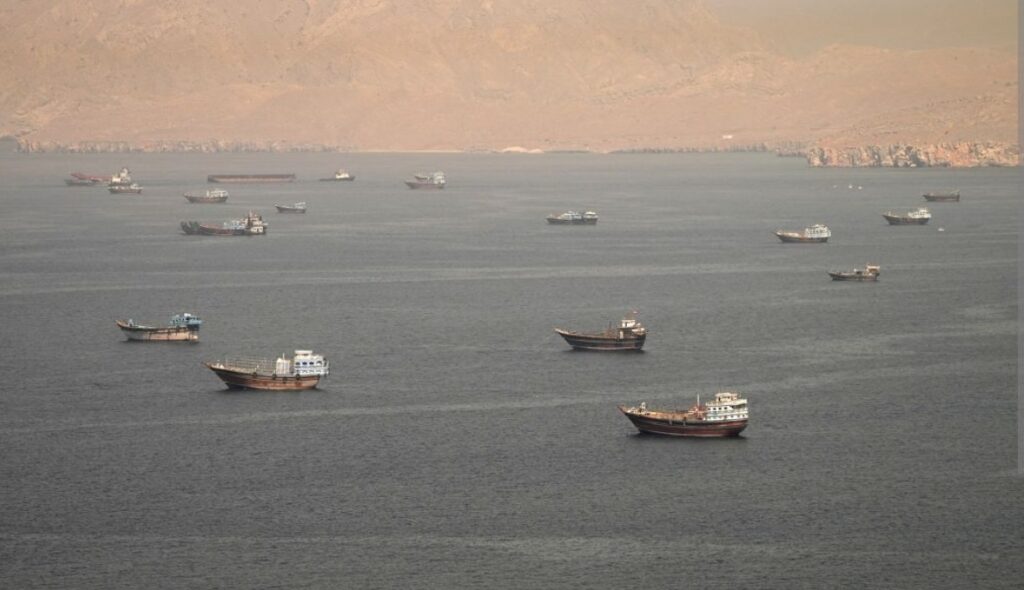
Strait of Hormuz
Abdullateef Fowewe
Iranian Parliament Speaker Mohammad Bagher Ghalibaf has said that Tehran will not reopen the strategic Strait of Hormuz until the United States fulfills seven conditions set out in the Islamabad Memorandum, dismissing recent U.S. proposals delivered through a mediator as outdated “unilateral demands.”
Speaking during a plenary session on Sunday, Ghalibaf who is also Iran’s chief negotiator said Washington had “recently put forward proposals through an intermediary,” but insisted that “the era of dragging out time and dictating unilateral demands is over.”
“Our position is clear: the Strait of Hormuz will not reopen until our seven conditions under the Islamabad Memorandum are fulfilled,” he stated, adding that Iran would not base national security decisions on U.S. media rhetoric but on “actual conduct.”
Iran’s conditions, tied to the Pakistan-brokered Islamabad Memorandum signed in June 2026 by U.S. President Donald Trump and Iranian President Masoud Pezeshkian, include an end to U.S. and Israeli military operations on all fronts (including Lebanon), lifting the U.S. naval blockade on Iranian ports, unfreezing Iranian assets abroad, sanctions relief on oil exports, and related steps aimed at de-escalation.
The interim agreement initially provided for a phased removal of the U.S. naval blockade and temporary toll-free passage through the strait, but it later collapsed amid mutual accusations of violations, including attacks on vessels and continued military pressure.
Ghalibaf said Tehran would continue both diplomacy and military preparedness, while foreign minister Abbas Araghchi separately indicated Iran could reopen the waterway within seven days if its terms were accepted but warned of “all necessary steps” should Washington pursue a military solution.
The remarks come as the U.S. maintains a naval blockade and has launched operations aimed at breaking Iran’s effective closure of the strait, a chokepoint for about a fifth of global oil and LNG flows.