
Nigeria reaffirms regional unity at first ECOWAS-AES talks in Dakar
ECOWAS
Abdullateef Fowewe
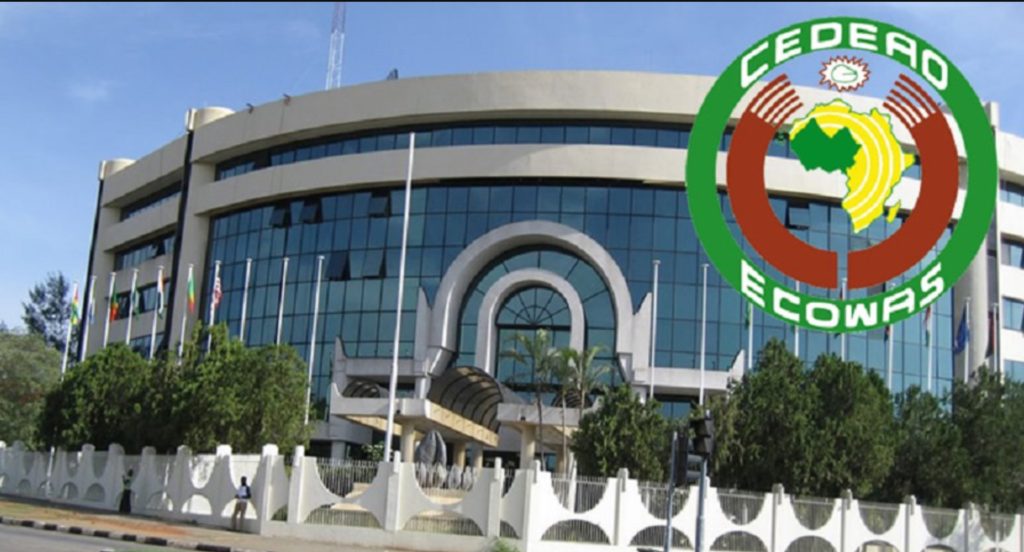
Nigeria has restated its strong commitment to West African unity and cooperation following the inaugural ministerial dialogue between the Economic Community of West African States (ECOWAS) and the Confederation of Sahel States (AES) held in Dakar, Senegal, on 17 October 2026.
The Ministry of Foreign Affairs in a statement on Sunday said the Federal Government “participated actively” in the landmark meeting, which was convened “to lay the foundations for structured dialogue and cooperation between ECOWAS and the AES Confederation, with deliberations guided by a shared spirit of fraternity, mutual respect, and deep historical and socio-cultural ties.”
Ambassador Sola Enikanolaiye, Minister of State for Foreign Affairs, led Nigeria’s delegation.
He underlined the strategic importance of the talks for Nigeria and the wider sub-region, stressing “the strong bonds of geography, history, culture and social interconnectedness of the peoples across ECOWAS and the AES.”
He affirmed the need to build on those ties to tackle shared challenges including free movement of persons, goods and services; peace, security and terrorism; infrastructure deficits; poverty and food insecurity.
Nigeria is taking practical steps by seeking to revive the “moribund Joint Commissions” with Niger, Mali and Burkina Faso to boost bilateral cooperation, economic integration and security partnerships, the statement said.
As a key outcome, the parties agreed to establish joint thematic working groups to develop a comprehensive cooperation framework agreement that will guide future relations between the two blocs.
Nigeria reiterated its determination “to work closely with all regional partners to build a balanced and realistic cooperation framework that guarantees the sovereignty, dignity and well-being of all West African citizens.”
Mali, Burkina Faso and Niger withdrew from ECOWAS, with the exit taking effect in January 2025, and formed the AES confederation amid disputes over governance, security responses and perceived external influence.
The Dakar meeting marked the first formal ministerial engagement between the two sides since the split.
Senegal, as current ECOWAS chair, hosted the dialogue, which was attended by the foreign ministers of the three AES states, ECOWAS Council of Ministers Chair Cheikh Niang, and AES Council of Ministers Coordinator Karamoko Jean-Marie Traoré.