

FG begins $1bn modernisation of Western Ports
Abdullateef Fowewe
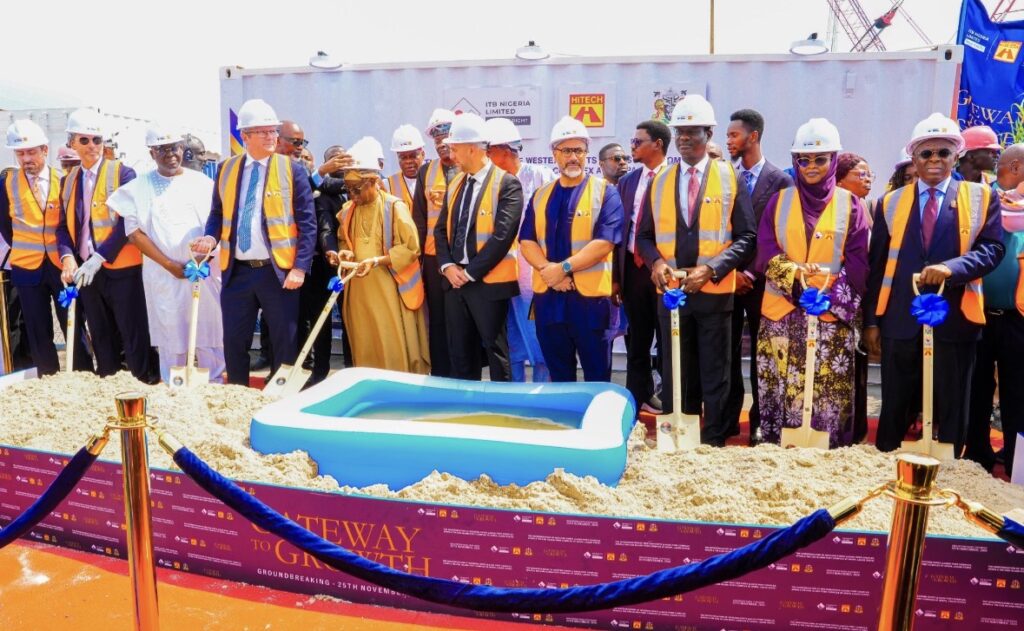
Nigeria has broken ground on a US$1 billion modernisation of its Western Ports in Lagos, in a project the Federal Government says will improve trade infrastructure, reduce business costs and strengthen the country’s economic competitiveness.
This was made known in a statement made available on Thursday by the Ministry of Finance.
The Minister of Finance and Coordinating Minister of the Economy, Wale Edun, participated in the groundbreaking ceremony on Wednesday, 25 November 2026.
The project covers the Lagos Port Complex at Apapa and the Tin Can Island Port Complex, two of Nigeria’s busiest maritime gateways.
The investment is backed by UK Export Finance, with Poland’s export credit agency, KUKE, and Citibank serving as financing partners.
The financing arrangement was signed in March 2026 and is described as a US$1 billion facility, with UK Export Finance cover and KUKE reinsurance.
The Ministry of Finance said the project “marks an important step towards improving Nigeria’s trade infrastructure and strengthening economic competitiveness.”
It also described the investment as evidence of “growing international confidence in Nigeria’s economic reforms.”
Speaking at the ceremony, the minister said efficient ports would benefit a wide range of Nigerians beyond importers and exporters.
“When goods move faster through our ports, businesses can operate more efficiently, Nigerian products become more competitive and the costs passed on to consumers can be reduced,” he said.
He said the government would ensure “timely approvals, a stable and predictable operating environment, and transparency in project financing and delivery.”
The minister also stressed the need to create jobs, train Nigerians and support local suppliers during implementation.
The project is expected to reduce cargo delays, improve port operations and lower trade costs for manufacturers, farmers, businesses and consumers.
Reports on the groundbreaking said the modernisation is designed to improve cargo handling and strengthen Nigeria’s position in international trade.
The Ministry said the initiative reflects the government’s commitment to turning financing commitments into “meaningful development outcomes.”