
FG warns against petrol subsidy return, claims reversal will wipe out reform gains
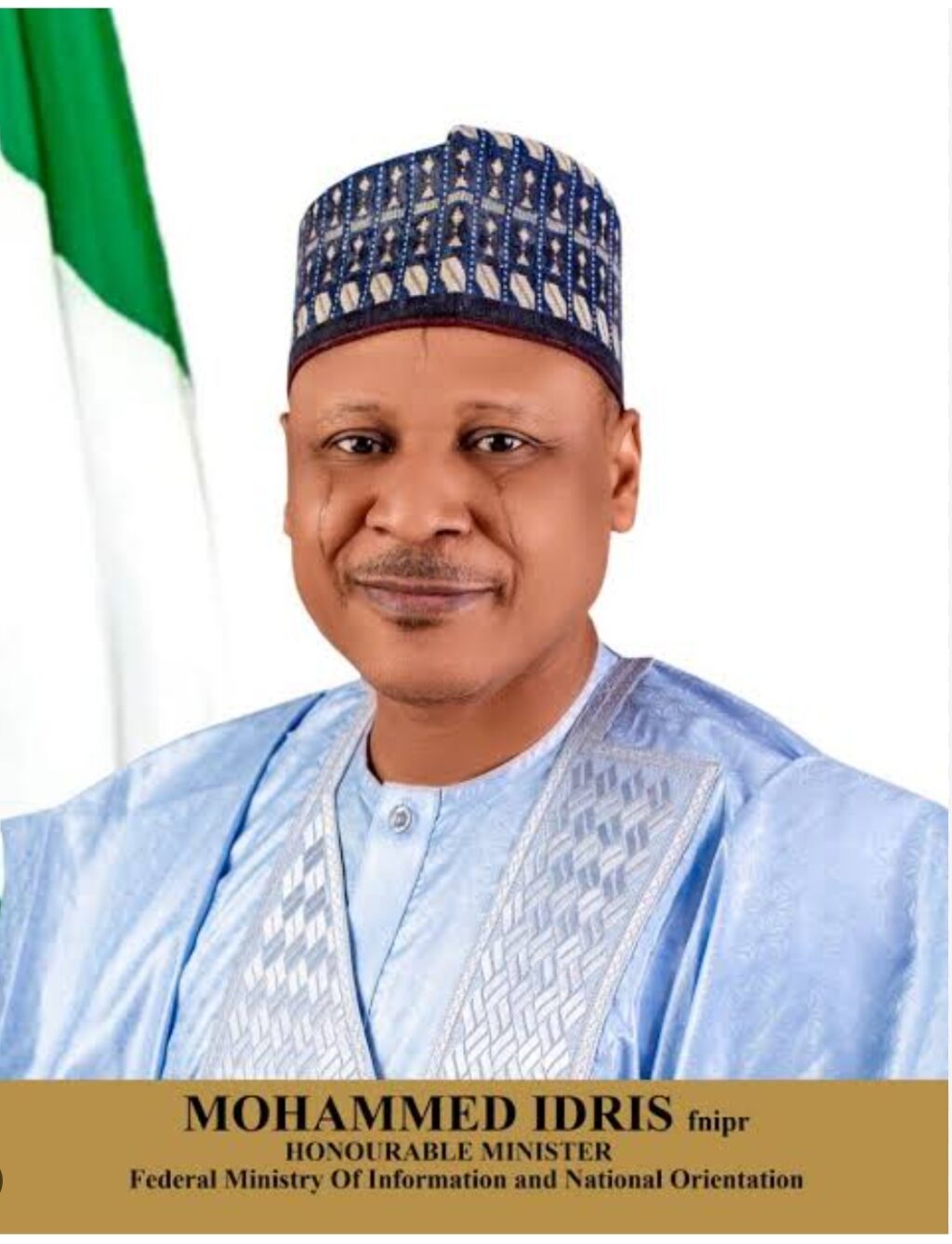
Minister of Information and National Orientation, Mohammed Idris
Abdullateef Fowewe
Minister of Information and National Orientation, Mohammed Idris, has warned that restoring petrol subsidy would reverse the fiscal and economic gains recorded since President Bola Tinubu ended the policy in 2023.
In an op-ed shared on Monday, Idris said the removal of subsidy had released N15.8 trillion into the federation’s fiscal system between June 2023 and December 2025, expanding spending capacity for the federal, state and local governments.
“The renewed call for the restoration of petrol subsidy under any guise demands a clear-eyed examination of what Nigeria has gained from reform and what the country would have to surrender by reversing course,” Idris said.
He said Nigeria spent about $10 billion on fuel subsidy in 2022, at a time when oil production and government revenues were under pressure, adding that the World Bank had warned that the policy diverted funds from education, healthcare, infrastructure, and social protection.
“This is the system that the administration of President Bola Ahmed Tinubu inherited and boldly decided to change,” he said.
According to the minister, Finance Minister and Coordinating Minister of the Economy, Wale Edun, disclosed during the Federal Government’s “Nigeria’s Reform Scorecard: The Benefits, Costs and Harms Prevented” presentation that N15.8 trillion had been mobilised through subsidy savings.
Of the amount, Idris said N5.43 trillion accrued to the Federal Government, N6.52 trillion went to states, while N3.88 trillion was allocated to local governments.
He stressed that the money was not held in a dedicated account but reflected resources freed within the wider federation fiscal framework.
“The N15.8 trillion is not sitting in a government account as a separate pool of cash called ‘subsidy savings,’” he said.
“It represents resources released within the Federation’s wider fiscal system and made available across the three tiers of government.”
Idris said the increased allocations had helped states and local governments meet salary and pension obligations and fund projects in primary healthcare, basic education, roads and other essential services.
At the federal level, he said the reforms had supported about N6.47 trillion in additional infrastructure spending, including investments in transport, housing, agriculture, and security.
He listed the Lagos-Calabar Coastal Highway, Sokoto-Badagry Superhighway and Trans-Sahara Superhighway among projects benefiting from the wider fiscal space created by the reforms.
The minister also said more than 10 million Nigerian households had received social transfers, while over N400 billion had been committed to social investment programmes, including NELFUND, the MOFI Real Estate Investment Fund and CREDICORP.
“Renewed domestic and foreign investor confidence founded on the reforms have helped make the Nigerian stock market the world’s best performing in 2026, pushed the external reserves to the highest level in almost 20 years, and helped the country grow oil production to exceed its OPEC quota for the first time in years,” he said.
Idris warned that bringing back subsidy could return the country to the fiscal pressures and fuel scarcity experienced before the policy change.
He said the government’s reform scorecard projected that petrol prices could have exceeded N3,000 per litre on the black market if the subsidy regime had continued, while Ways and Means financing could have risen from about N30 trillion in May 2023 to N60 trillion or more.
“Restoring subsidy would almost instantly return Nigeria to the economic conditions of 2022, recreating the same fiscal pressures, distortions, scarcity and incentives for arbitrage that made the old system unsustainable in the first place,” he said.
The minister further noted that Nigeria was already carrying an electricity subsidy estimated at N3.14 trillion between June 2023 and December 2025, warning that reintroducing petrol subsidy would place additional pressure on public finances.
“We are not claiming that the reforms have solved all of Nigeria’s economic challenges.
“But the proper response to the hardship associated with reform is not to dismantle the reform; it is to accelerate the benefits,” Idris said.
He said the debate should focus on whether Nigeria should return to subsidising fuel consumption or sustain funding for student loans, consumer credit, roads, rail, power, security, healthcare, education, and social protection.
“Nigeria cannot build tomorrow’s economy by returning to yesterday’s unsustainable subsidy regime.
“We have moved beyond that model,” Idris added.