
Iran sets conditions for Strait of Hormuz reopening, awaits US response
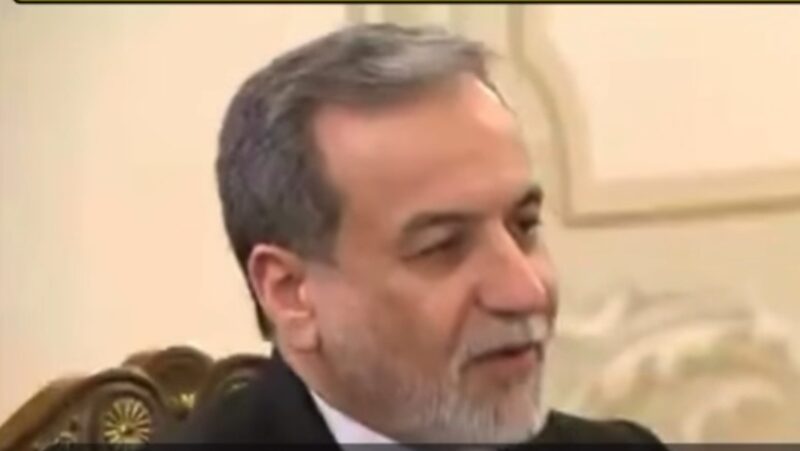
Iranian Foreign Minister Abbas Araghchi
Abdullateef Fowewe
Iranian Foreign Minister Abbas Araghchi has said Tehran has communicated conditions set by the Supreme Leader for reopening the Strait of Hormuz and is awaiting an official U.S. response to its seven-point plan, which was conveyed through Qatar.
He described the conditions as “entirely fair and logical” and framed them as a path to a peaceful solution, while insisting Iran is prepared for both diplomacy sand war.
In remarks to reporters, Araghchi said one key objective of Iran’s recent diplomatic efforts was “to inform the world about the country’s positions on the so-called war and specifically” the strait.
“There are conditions emphasised by the Supreme Leader” that must be met for the Strait of Hormuz to be reopened.
“Iran has presented these to the American side and others,” he said, so that it is clear Tehran “has a plan in this regard.”
“These conditions are entirely fair and logical, and if the Americans claim they are seeking an agreement or a peaceful solution, we have introduced this solution,” Araghchi stated.
He stressed Iran’s dual readiness: “Now it has become clear to everyone and solutions, and just as it is prepared for war, it is also prepared for diplomacy.”
Accusing Washington of driving the conflict, he noted, “It is not Iran that is warmongering; it is the U.S.”
Iran, he added, “is consistently prepared for war, offering solutions and maintaining its logic.”
Araghchi confirmed the seven-point plan “was conveyed to the Americans” via mediators.
“Despite the statements made by the U.S.” (including reported rejection by President Donald Trump), “we are waiting for an official American response through the mediators.”
The remarks come amid a prolonged conflict between Iran and the United States involving Israeli actions that began earlier in 2026 with strikes on Iran, followed by Iranian responses and the effective closure or severe disruption of the Strait of Hormuz—a critical chokepoint through which a large share of global oil and gas trade normally passes.
Iran has tied any reopening to U.S. steps that largely track an earlier June memorandum of understanding that later collapsed.
These reportedly include ending hostilities including in related regional theaters such as Lebanon, lifting the U.S. naval blockade on Iranian ports, waiving sanctions to allow Iranian oil sales, and releasing frozen Iranian assets (estimated in some reports at around $12 billion or more).
Under the proposed timeline, U.S. measures would occur in the first four to five days, the strait would reopen on day six, and talks on a broader final agreement including nuclear issues would begin on day seven.
Trump has rejected the offer, saying Iran wants the strait opened immediately because it is “losing so badly,” while Tehran maintains it will not reopen the waterway until its conditions are met and continues to wait for a formal reply through mediators such as Qatar.
The standoff has kept energy markets under pressure and the wider Middle East conflict unresolved.