

Nigerian Startup “Just Add Water” advances clean energy for healthcare facilities
Nike Popoola
A Nigerian engineering innovation designed to provide hospitals with reliable electricity and medical-grade oxygen has gained continental recognition as healthcare facilities seek alternatives to diesel-powered operations.
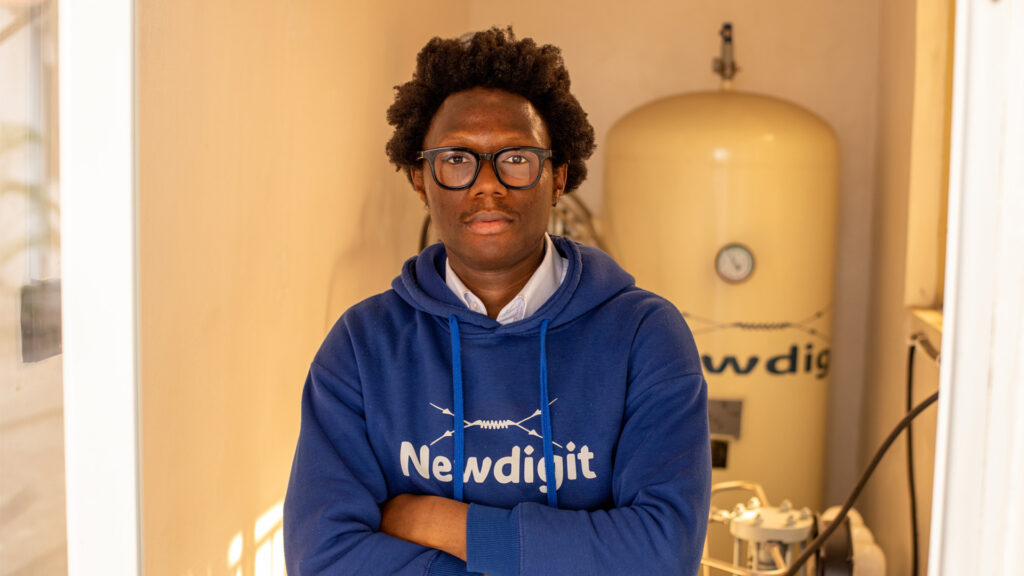
Derick Nwasor, founder of Just Add Water, has been shortlisted for the 2026 Africa Prize for Engineering Innovation for developing a regenerative fuel cell system that generates both electricity and oxygen from water.
The technology, already deployed in three hospitals in Lagos, uses regenerative fuel cell technology to split water into hydrogen and oxygen. While the hydrogen is used to generate clean electricity, the oxygen is captured and supplied for medical use, helping healthcare facilities reduce dependence on diesel generators and external oxygen suppliers.
According to the company, the solution is aimed at addressing persistent energy challenges in Nigeria’s healthcare sector, where unreliable grid electricity and high diesel costs continue to affect service delivery.

Just Add Water is currently scaling its quantum and artificial intelligence-optimised regenerative fuel cell system from 100-kilowatt capacity toward 1-megawatt deployments across the country. The company said its service model allows hospitals to adopt the technology without bearing the full upfront cost of owning and maintaining specialised infrastructure.
The innovation forms part of a broader wave of African-engineered solutions focused on tackling energy and infrastructure challenges through locally adapted technologies.
The Royal Academy of Engineering, organisers of the Africa Prize for Engineering Innovation, noted that engineers across the continent are increasingly developing technologies tailored to local realities, including affordability, maintenance requirements, resilience and ease of deployment.
Other innovators shortlisted for the 2026 edition include Ghana’s Johannes Amo-Aye, whose Fusion Wind Turbine combines solar and wind power in hybrid microgrid systems designed for off-grid communities, schools and health centres. The technology has reportedly provided more than 6,000 hours of clean energy to healthcare facilities in Ghana while reducing reliance on diesel generators.
In Kenya, Carol Ofafa’s E-Safiri is deploying solar-powered battery-swapping stations for electric motorcycles and bicycles, while Uganda’s David Tusubira has developed Remot, a remote monitoring platform that enables operators to track the performance and health of solar energy systems across multiple locations.
Since its launch in 2014, the Africa Prize for Engineering Innovation has supported more than 180 businesses from 24 African countries. According to the organisers, alumni of the programme have introduced over 700 products and services to market, benefiting more than 11 million people across the continent.
The 2026 shortlist features innovators from 11 African countries, with Lesotho and Niger represented for the first time following a record number of applications from more than 30 countries. Applications for the next cycle will open on July 13 and close on September 8, 2026.