
Russia, China veto US bid to extend Iran sanctions committee at UN
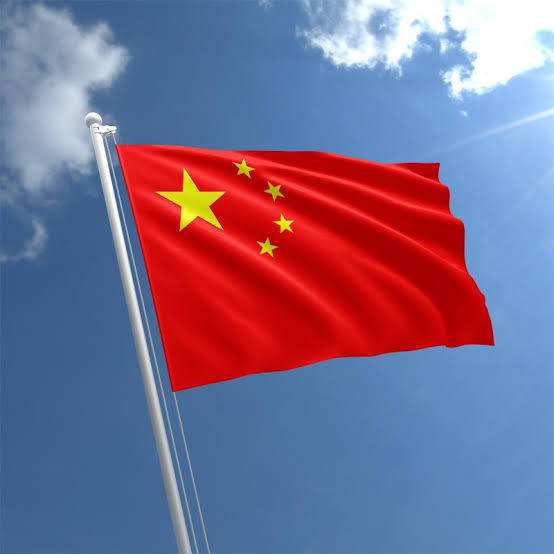
China flag
Abdullateef Fowewe
Russia and China have blocked a US-drafted UN Security Council resolution seeking to extend the mandate of the committee that oversees sanctions on Iran, deepening a diplomatic rift over the future of the 2015 nuclear deal.
According to Security Council reporting, Moscow and Beijing opposed the draft when it was presented in late August, objecting specifically to the so‑called “snapback mechanism” embedded in the resolution. The mechanism, created under the Joint Comprehensive Plan of Action (JCPOA), allows any original participant to trigger the automatic reimposition of UN sanctions if it believes Iran is in major breach of the pact.
Russia and China have argued that the snapback provision is no longer valid, contending that the JCPOA framework and the related UN Security Council Resolution 2231 effectively expired late last year.
On that basis, they rejected the US attempt to use the clause to keep the sanctions committee’s mandate alive, leading to the veto.
The veto leaves the future of the UN’s Iran sanctions oversight in doubt and underscores the growing divide between Washington and the two permanent Council members over how to handle Tehran’s nuclear programme.
With the committee’s mandate now blocked from extension via this route, the Security Council faces renewed pressure to find an alternative path—or risk a fragmented enforcement landscape for Iran-related restrictions.