
Tinubu’s reforms driving strong corporate performance, says Presidency
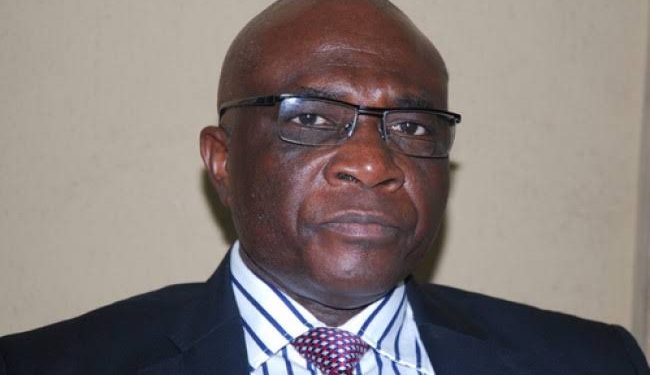
Bayo Onanuga
Nike Popoola
The Presidency has attributed the strong financial performance recorded by many companies listed on the Nigerian Exchange (NGX) in the first half of 2026 to the economic reforms introduced by President Bola Ahmed Tinubu’s administration since assuming office in 2023.
In a statement issued on Wednesday by the Special Adviser to the President on Information and Strategy, Bayo Onanuga, the State House said the reforms had improved investor confidence, strengthened macroeconomic stability and created a more favourable operating environment for businesses across key sectors of the economy.
According to the statement, one of the most significant reforms was the unification of the foreign exchange market, which established a single market-determined exchange rate. It said the policy enhanced price discovery and enabled companies with significant foreign currency exposure to more accurately reflect the value of their foreign earnings.
The Presidency noted that export-oriented firms such as Aradel Holdings and Seplat Energy had particularly benefited from the policy because their revenues are largely denominated in foreign currency and linked to international oil prices.
It also highlighted the administration’s approval of major upstream oil and gas transactions, including Renaissance Africa Energy Consortium’s acquisition of Shell Petroleum Development Company assets and Seplat Energy’s acquisition of Mobil Producing Nigeria Unlimited assets.
According to the statement, the approvals expanded the reserve base, increased production capacity and strengthened the long-term growth prospects of the companies while boosting investor confidence in Nigeria’s energy sector.
The Presidency further stated that the approval of naira payment for crude oil had strengthened local refining capacity, leading to increased exports of Premium Motor Spirit (petrol) and aviation fuel from the Dangote Refinery.
It added that manufacturing companies, including Dangote Cement, BUA Cement and HBM, formerly Lafarge Africa, had also benefited from improved access to foreign exchange and greater exchange rate predictability, allowing them to plan production more efficiently and reduce supply chain disruptions.
The statement also identified the removal of the petrol subsidy as a major fiscal reform that strengthened government finances, improved revenue mobilisation and created additional fiscal space for infrastructure development.
Other reforms highlighted include banking sector recapitalisation, tighter monetary management and ongoing tax reforms aimed at simplifying tax administration and improving the business climate.
According to the Presidency, the combined impact of these reforms has improved market efficiency, enhanced financial transparency and strengthened investment planning, leading to higher revenues and stronger earnings before tax for many listed companies.
The statement added that the improved corporate results reflect the broader impact of comprehensive structural reforms rather than isolated company-specific developments.