

Tinubu’s reforms strengthening macroeconomic stability, FG says after IMF report
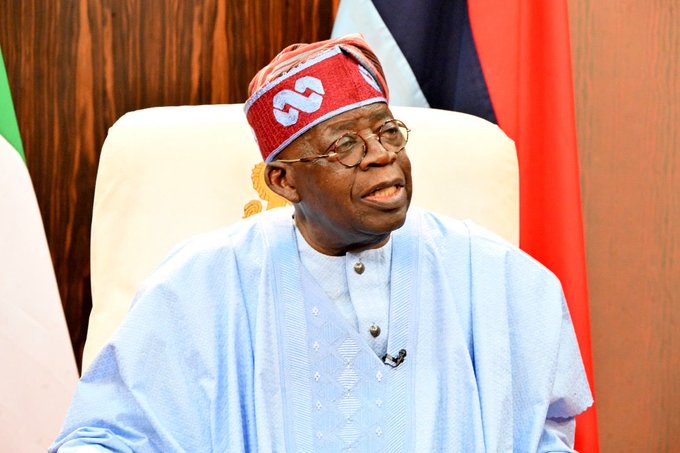
President Bola Tinubu
Abdullateef Fowewe
The Federal Government has welcomed the International Monetary Fund’s (IMF) 2026 Article IV Mission Concluding Statement on Nigeria, noting the report provides “independent validation” that economic reforms under President Bola Tinubu are strengthening macroeconomic stability and restoring confidence.
In a statement on Tuesday, Minister of Finance and Coordinating Minister of the Economy, Taiwo Oyedele, said the IMF “observed that reforms implemented over the past two and a half years have yielded improved macroeconomic outcomes and enhanced Nigeria’s resilience to external shocks.”
The minister quoted the Fund as highlighting “improvements in foreign exchange market functioning, stronger external buffers, ongoing fiscal and revenue reforms, banking sector resilience, and growing macroeconomic stability.”
Oyedele said the Government was “particularly encouraged” by the IMF’s recognition that difficult decisions ending fuel subsidies, eliminating deficit monetisation, liberalising the foreign exchange market and strengthening fiscal discipline — “have contributed significantly to reducing vulnerabilities and rebuilding confidence in the economy.”
Resilience amid global shocks
Noting recent volatility from the conflict in the Middle East, the statement said the IMF acknowledged Nigeria’s resilience despite rising global energy and food prices.
Oyedele cited IMF observations that “despite significant increases in global energy prices, the foreign exchange parallel market premium has remained below five percent, sovereign spreads have remained broadly stable, and investor confidence has been preserved.”
The Government also welcomed the IMF’s view that Nigeria stands to benefit from higher energy prices through “stronger export earnings, improved fiscal revenues, and increased foreign exchange inflows,” and said it would pursue policies to translate those gains into long-term benefits by increasing crude oil production, expanding domestic refining, growing gas production and exports, and attracting investment across the energy value chain.
While welcoming the IMF’s assessment, Oyedele acknowledged the Fund’s caution that “poverty and food insecurity remain significant challenges.”
He pointed to progress on incomes, noting per capita income grew by nearly 10 percent in 2025, a development the statement said indicates “marked reduction in poverty levels” but stressed that macroeconomic stability alone is not enough.
“The Government continues to strengthen targeted social protection programmes,” the statement said, listing measures such as direct cash transfers, support for small businesses, student financing through the Nigerian Education Loan Fund (NELFUND), consumer credit initiatives, healthcare investments and livelihood interventions.
On agriculture, it said the Renewed Hope National Agricultural Mechanisation Programme and other initiatives aim to “moderate food inflation while creating jobs and raising rural incomes.”
The Finance Ministry also welcomed the IMF’s praise for progress in domestic revenue mobilisation and public financial management.
The statement credited “the successful implementation of Nigeria’s new tax laws, the digitisation of revenue collection processes, improved transparency in public finance, and enhanced accountability mechanisms” with strengthening fiscal sustainability.
Responding to IMF recommendations on fiscal reporting and budget transparency, Oyedele said the Government is “already taking steps to strengthen fiscal data integrity, improve coordination among relevant institutions, enhance transparency in budget execution, and deepen public financial management reforms.”
Oyedele concluded that the Federal Government remains “firmly committed to maintaining macroeconomic stability, accelerating inclusive growth, strengthening fiscal discipline, deepening structural reforms, improving the investment climate, expanding infrastructure, enhancing human capital development and job creation.”
He reiterated that the ultimate goal of the reforms is “not merely improved economic indicators, but better outcomes for every Nigerian — lower inflation, decent jobs, higher incomes, greater economic opportunity, and a better quality of life.”