

Nigeria’s green transition to create 10.5 million jobs by 2050 – Report
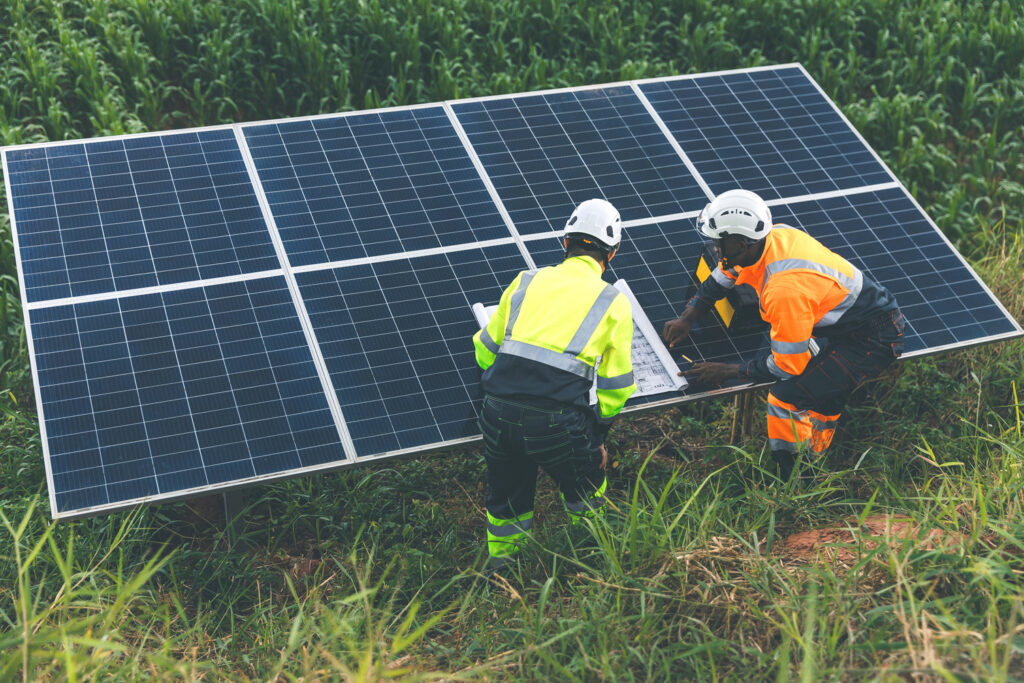
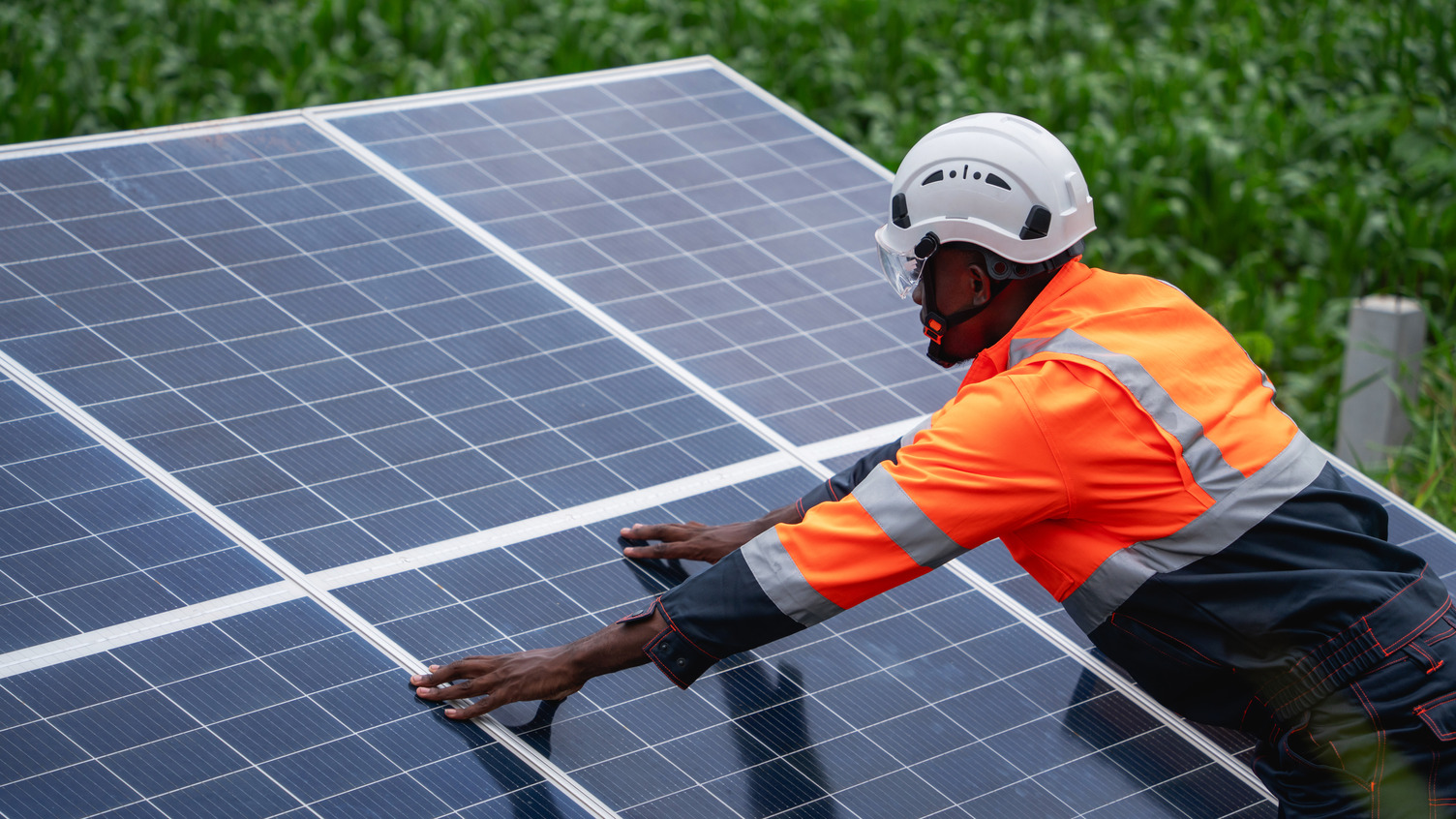
Engineer Checking solar panels in agriculture farm land. Engineer examining solar panels at field. Technicians maintenance solar photo voltaic panels in agriculture farm field. clean energy
Nike Popoola
Nigeria’s transition to a green economy could generate up to 10.5 million jobs by 2050, positioning the country as one of Africa’s biggest beneficiaries of the continent’s shift towards low-carbon development, according to a new report.
The report, Unlocking Africa’s Green Transition: Opportunities Towards a Green and Inclusive Workforce, was launched by FSD Africa in partnership with Shell Foundation and Shortlist. It, however, warns that the projected employment boom could deepen inequality unless urgent measures are taken to improve job quality, expand social protection and address gender disparities.
According to the report, Nigeria is expected to create up to 2.4 million green jobs by 2030, rising to 10.5 million by 2050, with the majority of opportunities emerging in clean cooking, solar home systems and electric mobility.
Despite the positive outlook, the report notes that about 87 per cent of the projected jobs will be in the informal sector, while 91 per cent of the workforce is expected to be male, raising concerns over inclusion and decent work.
It further revealed that 73 per cent of green jobs will be in nano-enterprises operated by single individuals, with women accounting for less than 10 per cent of the workforce and largely occupying low-value roles. Although young people are expected to dominate the sector, around 90 per cent will remain in informal employment with limited access to social protection and career progression.
Chief Programme Officer at Shell Foundation, Richard Gomes, said Africa’s green transition represents one of the most significant economic opportunities of this generation but stressed that the benefits would only be realised if the green economy is designed to work for lower-income and informal workers, particularly women.
The report identified limited access to market-relevant training, severe underinvestment in workforce systems and inadequate financing for small businesses as major obstacles to Nigeria’s green transition.
It recommended improving job quality within informal systems instead of forcing formalisation, expanding access to finance for micro-enterprises and scaling practical short-term skills training.
Director of Development Impact at FSD Africa, Kevin Munjal, said Nigeria’s future green workforce would largely comprise independent operators such as solar home system installers and battery-swapping station managers rather than workers on corporate payrolls, adding that investment and policy must reflect that reality.
To help bridge workforce gaps, FSD Africa also announced the launch of the Green Jobs Innovation Hub, an initiative designed to mobilise finance and partnerships that will support workforce development and ensure skills growth keeps pace with investments in green infrastructure across Africa.