

Obi urges Tinubu to resign, cites deepening economic pain, insecurity
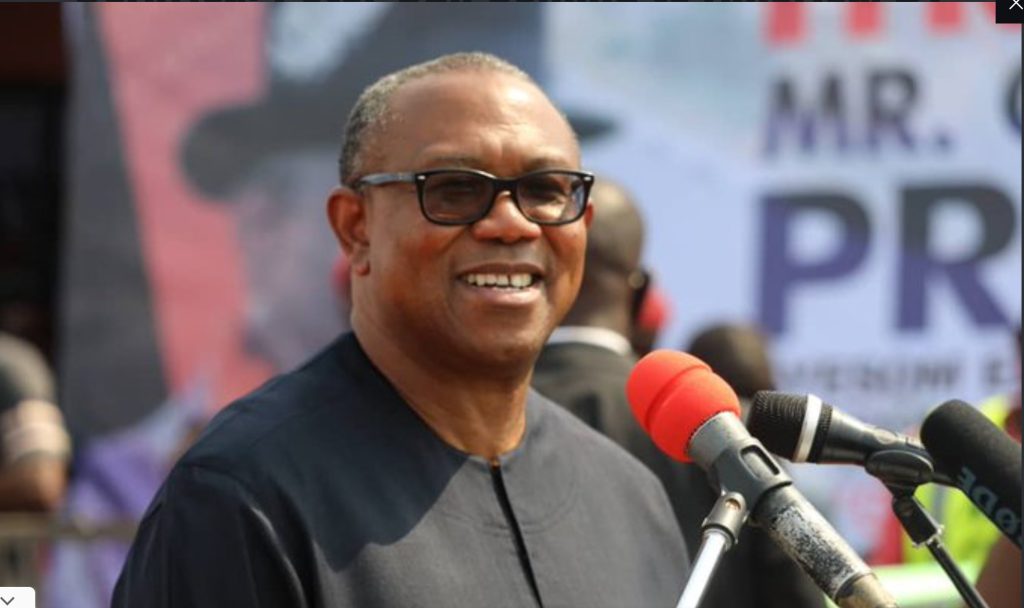
Peter Obi
Abdullateef Fowewe
NDC presidential candidate, Peter Obi has called on President Bola Tinubu to resign, arguing that worsening economic conditions, unreliable electricity, intensified insecurity and backsliding on anti‑corruption and infrastructure promises amount to a “monumental failure in governance.”
In a statement on Monday, Obi referenced recent developments in the United Kingdom, where the British Prime Minister announced plans to step down amid public frustration and suggested Nigerian leaders should be held to the same standard of political accountability.
“Owning up to leadership failures and political responsibility.
“The Prime Minister’s planned resignation comes amid mounting public frustration over a stagnant economy, a worsening cost‑of‑living crisis, and a perceived failure to honour key campaign pledges.
“Looking inward in our dear country. At present, however, these conditions have worsened. Electricity supply remains unreliable, insecurity has intensified in many areas, including kidnappings, and economic hardship has deepened rather than eased.
“I, therefore, join Nigerians of goodwill in calling for the resignation of the President over monumental failure in governance,” Obi wrote.
Obi recalled Tinubu’s past positions, noting that before 2015 Tinubu had publicly demanded the resignation of then‑President Goodluck Jonathan over similar concerns, including the government’s response to the Chibok school kidnappings.
He also highlighted Tinubu’s 2023 campaign promises — improved power supply, stronger anti‑corruption measures and better welfare for Nigerians and said those pledges have not been fulfilled.
“Such a gesture would help enthrone a political culture rooted in accountability and responsibility, rather than further entrenching impunity,” Obi added, urging that resignation would send “a powerful message that public office is a sacred trust, not an entitlement.”
The call intensifies existing political pressure on President Tinubu, whose administration faces criticism over rising living costs, persistent power shortages, a spike in kidnappings and other security challenges.