
FG defends delayed budget reports, says fiscal years are defined by law
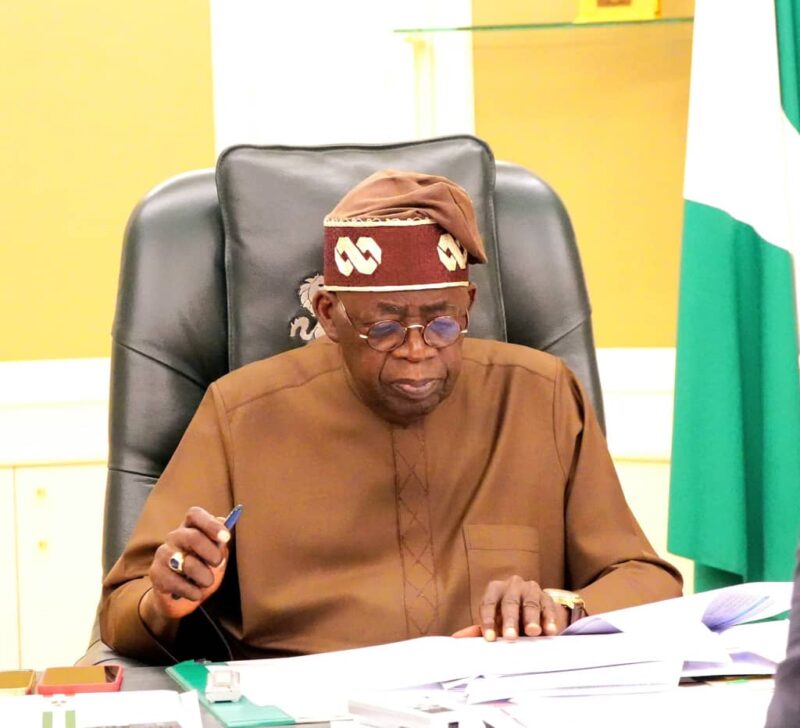
President Bola Tinubu
Nike Popoola
The Federal Government has clarified that Nigeria’s fiscal year is determined by legislative provisions and not strictly by the January-to-December calendar cycle, amid concerns over delays in the publication of Quarterly Budget Implementation Reports.
In a statement issued today, Director-General of the Budget Office of the Federation, Tanimu Yakubu, explained that fiscal years are defined by appropriation laws and related legislative instruments which may extend implementation timelines beyond the conventional calendar year.
According to him, the recent delay in publishing the reports was linked to the repeal and re-enactment of the 2025 Appropriation Act concluded in December 2025, alongside the extension of the implementation period of the 2025 Budget to June 2026.
Yakubu said these fiscal adjustments effectively extended the operational lifespan of the budget beyond the normal twelve-month framework.
“The fiscal year becomes not merely a chronological concept, but a legislatively sustained expenditure window,” the statement noted.
He explained that Nigeria’s fiscal administration has at different periods deviated from the strict January-to-December cycle through statutory extensions, supplementary appropriations, continuing resolutions and rollover authorisations.
The Budget Office stated that such practices were consistent with international public finance systems, citing examples from the United States and India where fiscal years differ from the calendar year based on statutory provisions.
Yakubu also referenced Sections 80 and 81 of the 1999 Constitution, noting that the Constitution does not impose a rigid twelve-month fiscal implementation cycle but rather requires public expenditure to be backed by legislative approval through appropriation laws.
The statement further cited judicial precedents supporting legislative supremacy over public expenditure authorisation, including the Nigerian Supreme Court decision in Attorney-General of Bendel State v. Attorney-General of the Federation.
According to the Budget Office, Nigeria and several other countries extended budget implementation periods during periods of economic disruption such as the COVID-19 pandemic to accommodate procurement delays, revenue shocks and continuity of capital projects.
Yakubu disclosed that following the re-enactment of the 2025 Appropriation Act, the Budget Office commenced comprehensive reconciliations covering revenue reviews, expenditure alignment, debt updates and inter-agency fiscal coordination processes to ensure accuracy and audit consistency in the reports.
He assured that the outstanding Quarterly Budget Implementation Reports were being finalised and would be released in phases over the coming weeks.
The Budget Office also stated that it was strengthening digital reporting systems, data harmonisation processes and institutional coordination mechanisms to improve fiscal reporting standards.
The Federal Government reaffirmed its commitment to open budgeting, fiscal discipline, transparency and accountable public financial management in line with global best practices.